IP PABX vs Analogue Keyphone: How to Choose in 2026
An IP PABX transmits voice calls over the internet using data packets (VoIP), whereas an analogue keyphone system relies on physical copper wires and traditional circuit-switching. IP PABX offers superior scalability, advanced software integration, and significant cost savings on long-distance calls compared to rigid, hardware-heavy analogue setups.
What is the main difference between IP PABX and analogue keyphone?
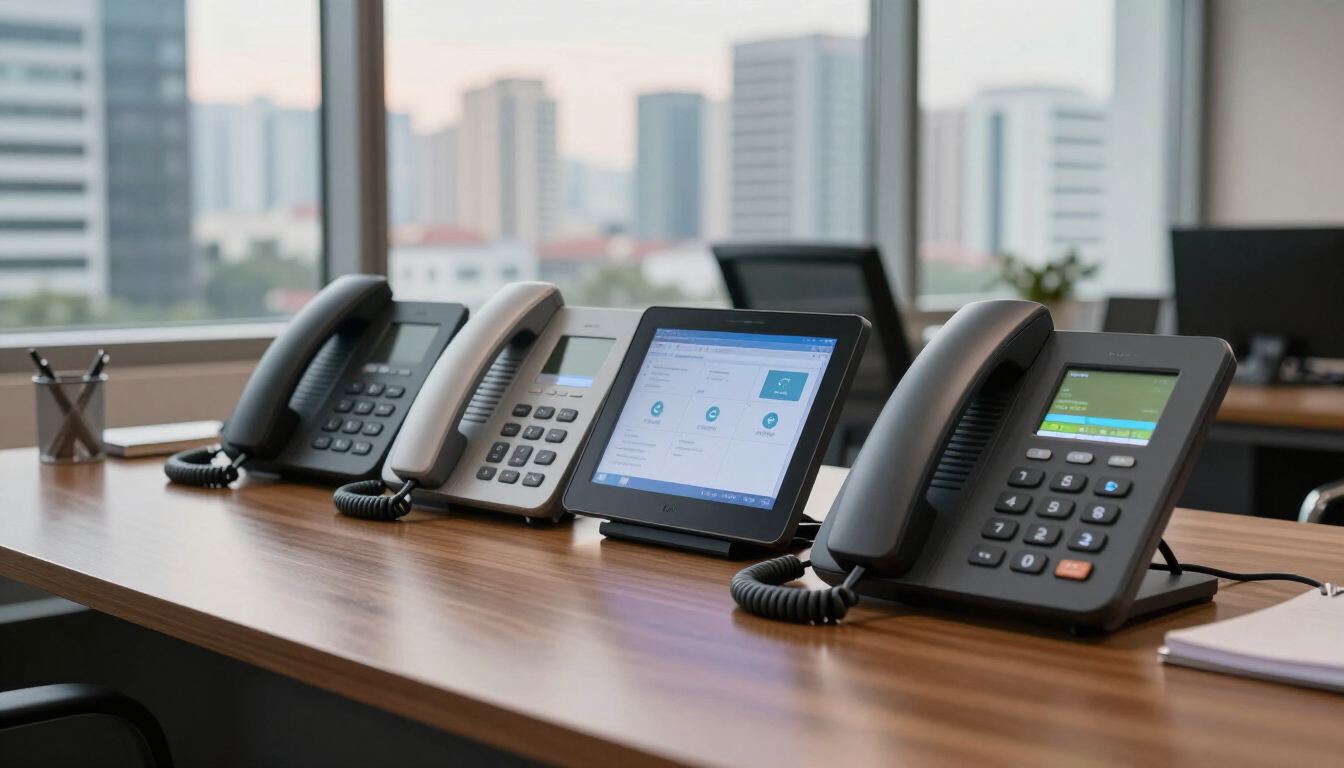
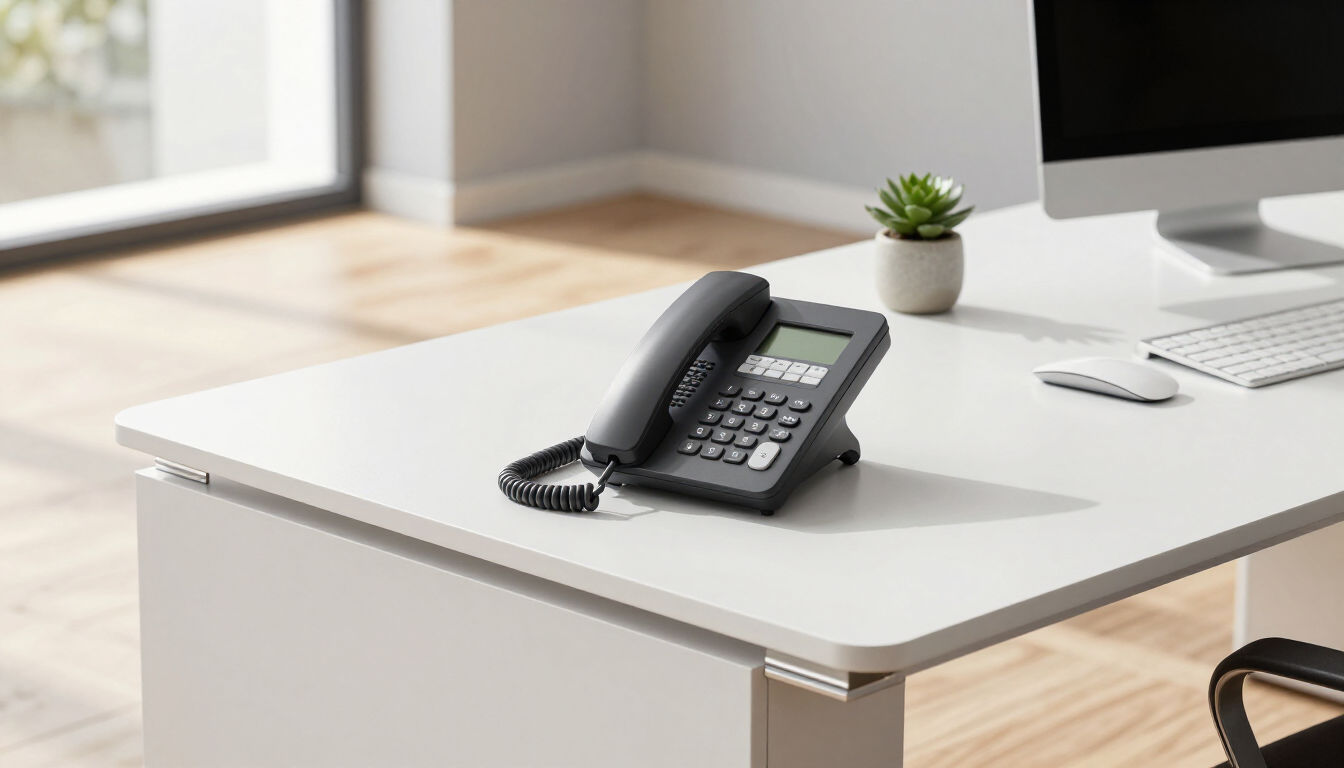
To understand the fundamental distinction, we must look at how voice data travels. In a traditional analogue keyphone system, voice signals are transmitted as electrical pulses over dedicated copper wiring (often called RJ-11). Each phone requires a direct physical path to the central control unit. This creates a closed loop that is reliable but extremely limited in its ability to interact with modern digital tools.
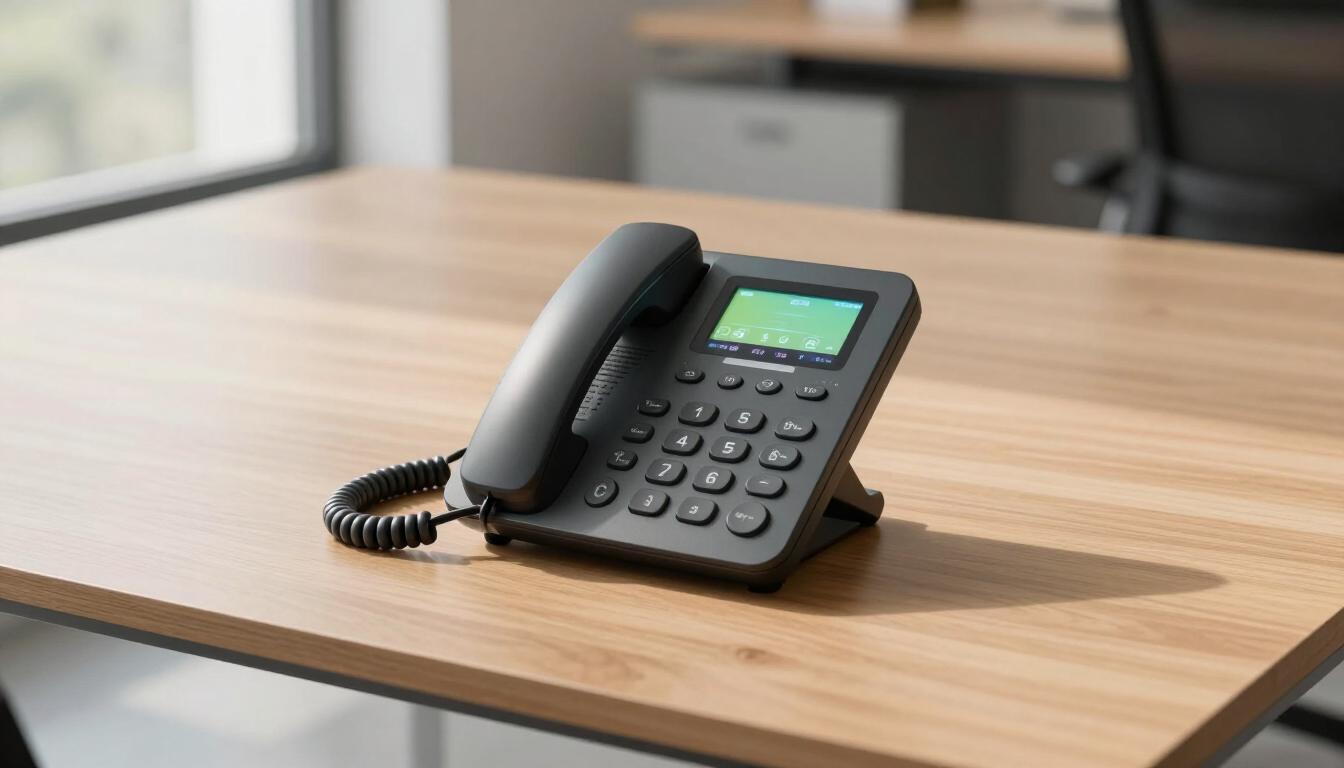
In contrast, an IP PABX (Internet Protocol Private Automatic Branch Exchange) treats voice as just another form of data. Your voice is digitized, broken into small packets, and sent over your existing computer network or the internet. This shift from hardware-defined communication to software-defined communication is the primary reason why businesses are moving toward IP PBX Malaysia solutions. Because it uses the internet, the geographical location of the handset no longer matters; as long as there is an internet connection, the phone is part of the system.
Technical architecture of analogue systems
Analogue keyphone systems were the gold standard for decades. They are built around a central "KSU" (Key Service Unit) which acts as the brain of the operation. This unit manages a specific number of incoming lines from the telecommunications provider and a fixed number of internal extensions.
Hardware limitations define these systems:
- Fixed Capacity: If a KSU is built for 8 lines and 16 extensions, adding a 17th employee requires purchasing an entirely new expansion card or a larger KSU.
- Proprietary Hardware: Handsets are often proprietary to the manufacturer. If you have a Brand A KSU, you usually must use Brand A phones.
- Distance Constraints: Because signals degrade over copper wire, phones must be located within a certain physical distance of the KSU.
While these systems are known for their durability and "plug-and-play" simplicity for basic calling, they lack the intelligence required for modern business workflows, such as CRM integration or mobile twinning.
How does IP PABX technology actually work?
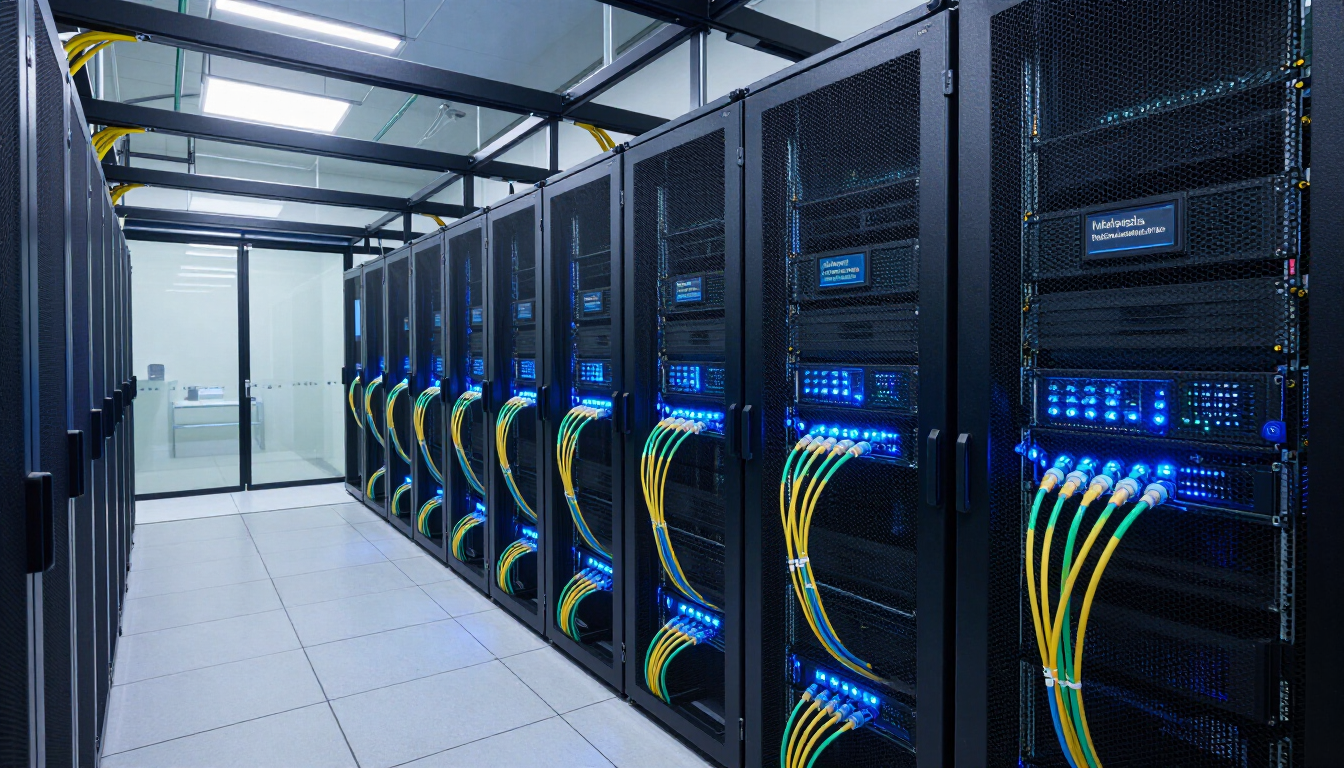
IP PABX systems utilize Voice over Internet Protocol (VoIP) to manage calls. When you speak into an IP handset, your voice is captured, encoded into a digital format, and routed through a switch or router. The system uses a "SIP server" (Session Initiation Protocol) to handle the setup, management, and teardown of the call.
This architecture allows for three different deployment models:
- On-Premise IP PBX: You own the hardware (server) located in your office, but it uses your local network (LAN) for communication.
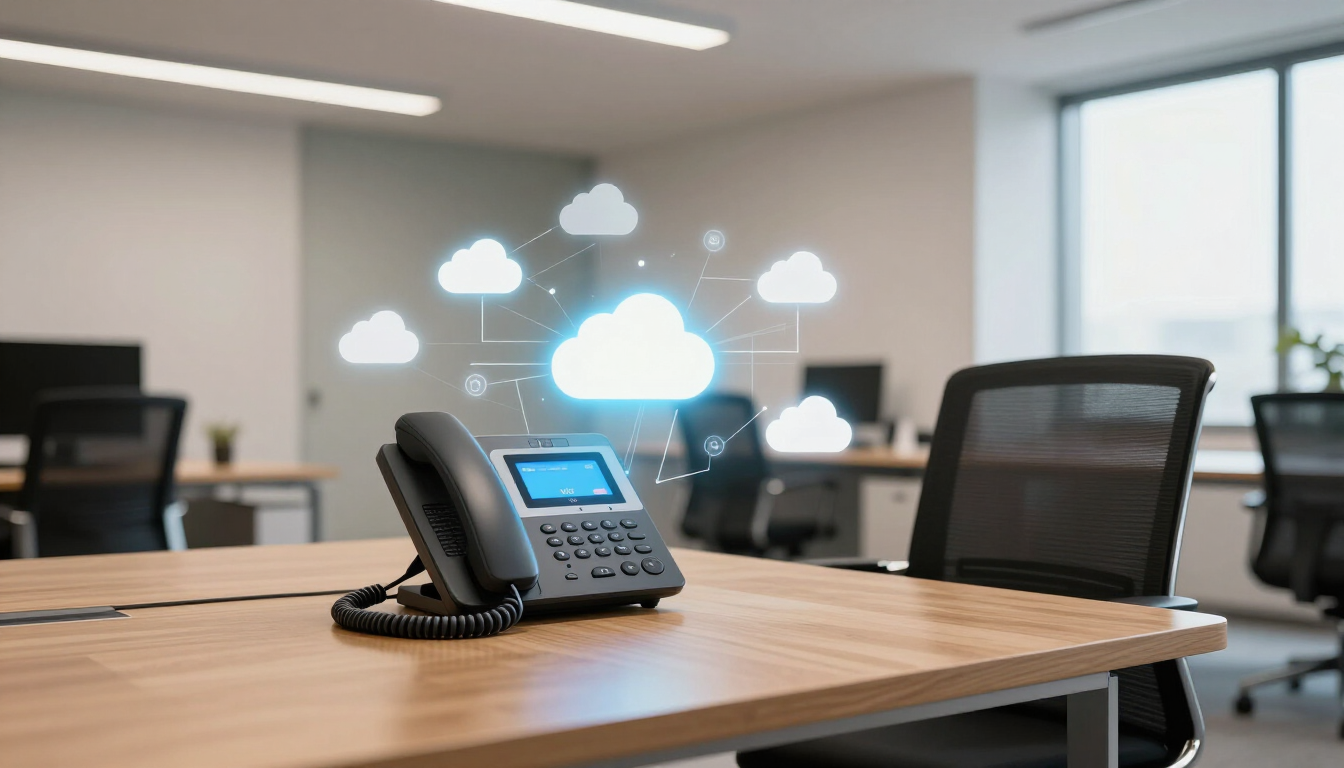
- Cloud PBX: The entire system is hosted in a secure data center. You only need the handsets or software apps to connect. This is often referred to as Cloud PBX Malaysia .
- Hybrid Systems: These bridge the gap, allowing you to use existing analogue lines alongside modern IP capabilities.
Because the system is software-based, it can be updated via firmware to add new features without needing to replace physical components. This makes the IP PABX a living system that evolves with your business.
Core advantages of modern IP PBX
The move toward IP-based communication isn't just about following a trend; it's about gaining specific operational advantages that analogue systems simply cannot provide.
- Unified Communications: Integrate voice, video, and instant messaging into a single platform.
- Mobility: Use mobile apps (Softphones) to take your office extension anywhere in the world.
- Advanced Routing: Implement complex IVR (Interactive Voice Response) menus to direct callers efficiently.
- Rich Analytics: Access detailed call logs and performance reports in real-time.
- Lower TCO: Reduce Total Cost of Ownership by eliminating expensive proprietary maintenance and long-distance charges.
By leveraging SIP Trunk Malaysia services, businesses can also consolidate their voice traffic over a single data connection, further reducing monthly overhead costs.
Is the infrastructure different for these systems?
Yes, the infrastructure requirements are perhaps the most significant physical difference between the two. If you are setting up a new office, this distinction will heavily impact your renovation budget.
Analogue Infrastructure: Requires dedicated telephone cabling (usually 2-pair or 4-pair copper). This means for every desk, you need both a computer data jack and a separate telephone jack. This "dual-cabling" approach is redundant and expensive to maintain.
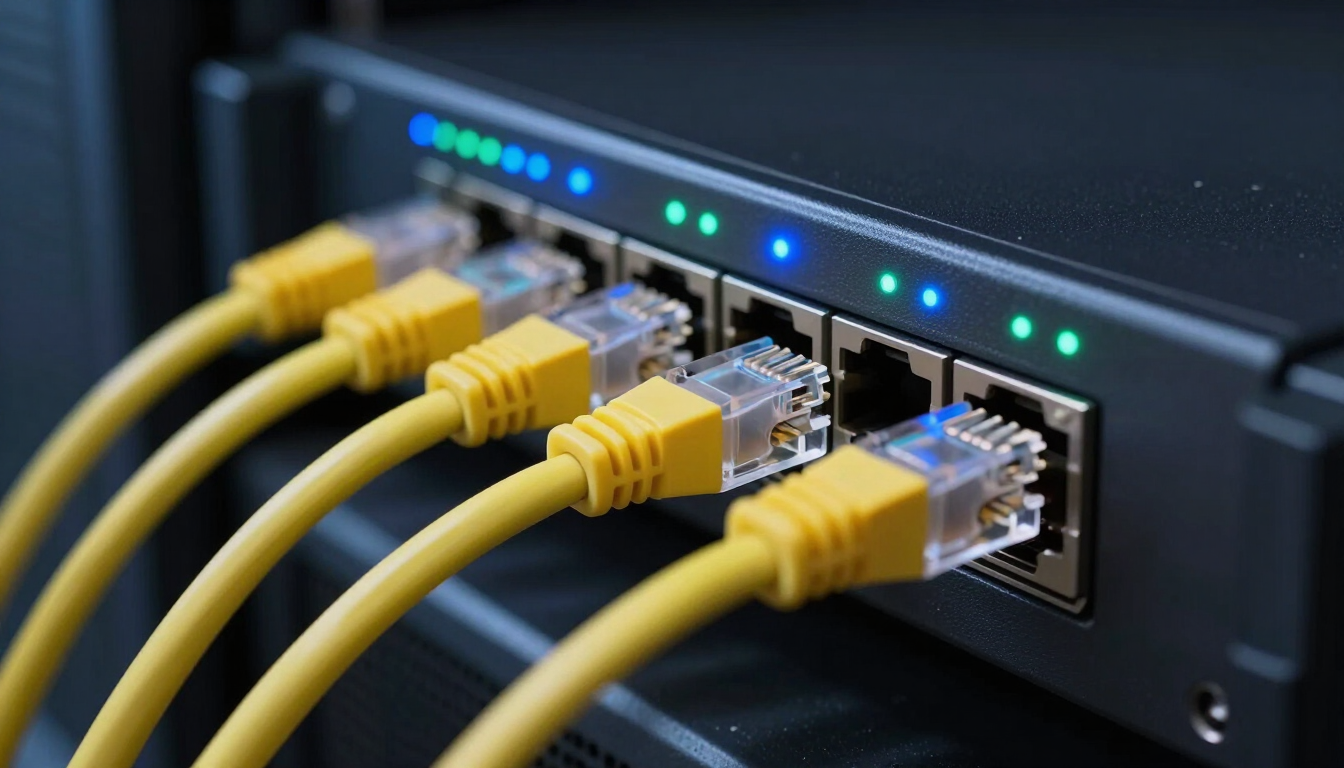
IP PABX Infrastructure: Uses standard Category 5e or Category 6 (Ethernet) cabling—the same cables your computers use. In many cases, IP phones have a "pass-through" port. You plug the wall cable into the phone, and then plug your computer into the phone. This reduces the number of wall jacks needed by half. Furthermore, if you choose a cloud-based model, you might not need any internal server hardware at all, just a reliable internet connection and a managed switch.
Can you use SIP trunks with older systems?
It is possible to use SIP Trunk Malaysia with older analogue keyphone systems, but it requires a specialized piece of hardware called a "VoIP Gateway." The gateway converts the digital SIP signal into an analogue or ISDN signal that the old KSU can understand.
However, while this allows you to save money on monthly line rentals, it does not give you the advanced features of an IP system. You are essentially putting a modern engine into a vintage car frame—you might go faster, but you still don't have power steering or GPS. For most Malaysian businesses, it is more cost-effective in the long run to upgrade the entire system to a native IP PBX Malaysia rather than trying to patch together old and new tech.
Comparing long-term costs and maintenance
When evaluating cost, you must look beyond the initial purchase price. Analogue systems often appear cheaper upfront because the hardware is mature and simple. However, the hidden costs accumulate quickly:
- Moving/Adding Users: With analogue, a technician must physically re-wire the patch panel to move an extension. With IP, you just pick up the phone and plug it into any other network port.
- Maintenance: Finding spare parts for discontinued analogue KSUs is becoming increasingly difficult and expensive.
- Monthly Bills: Analogue lines have high rental fees. IP systems use data connections that handle hundreds of simultaneous calls for a fraction of the price.
In contrast, IP systems (especially cloud-based ones) follow an OpEx (Operating Expenditure) model. You pay for what you use, and the service provider handles all the complex server maintenance and security updates. This allows your IT team to focus on business-critical tasks rather than fixing phone lines.
Why is scalability easier with IP-based solutions?
Scalability is where the IP PABX truly shines. In the traditional world, growth was painful. If your business expanded from 10 to 30 people, you often had to throw away your small keyphone system and buy a completely new, larger one.
With an IP-based system, scaling is virtually limitless and instant:
- Licensing over Hardware: To add a user, you typically just buy a software license and a new handset.
- Virtual Extensions: You can add extensions that exist only on mobile phones or laptops, requiring zero desk space or wiring.
- Multi-site Connectivity: If you open a new branch in Penang or Johor Bahru, those phones can connect to your main HQ system over the internet. To the caller, it looks like everyone is in the same building.
This flexibility is essential for the modern, agile Malaysian business environment where teams may grow, shrink, or shift to remote work at a moment's notice.
Summary: Choosing the right phone system
Selecting between an IP PABX and an analogue keyphone system comes down to your long-term business goals. While analogue systems offer a familiar, simple interface for very small offices with no plans for expansion, they are quickly becoming obsolete in a digital-first economy. IP-based solutions provide the flexibility, cost-efficiency, and feature set required to compete today.
Core Takeaways:
- IP PABX uses the internet (VoIP), while Analogue uses copper phone lines.
- Cabling is simplified with IP systems using standard Ethernet (CAT5/6).
- Scalability is instant with IP PBX via software licenses, unlike hardware-limited analogue units.
- Remote work is only natively supported through IP and Cloud PBX solutions.
- Cost savings are significant on international and long-distance calls using SIP trunks.
Ready to modernize your communication? Explore our Products or Contact Us to find the perfect fit for your office.