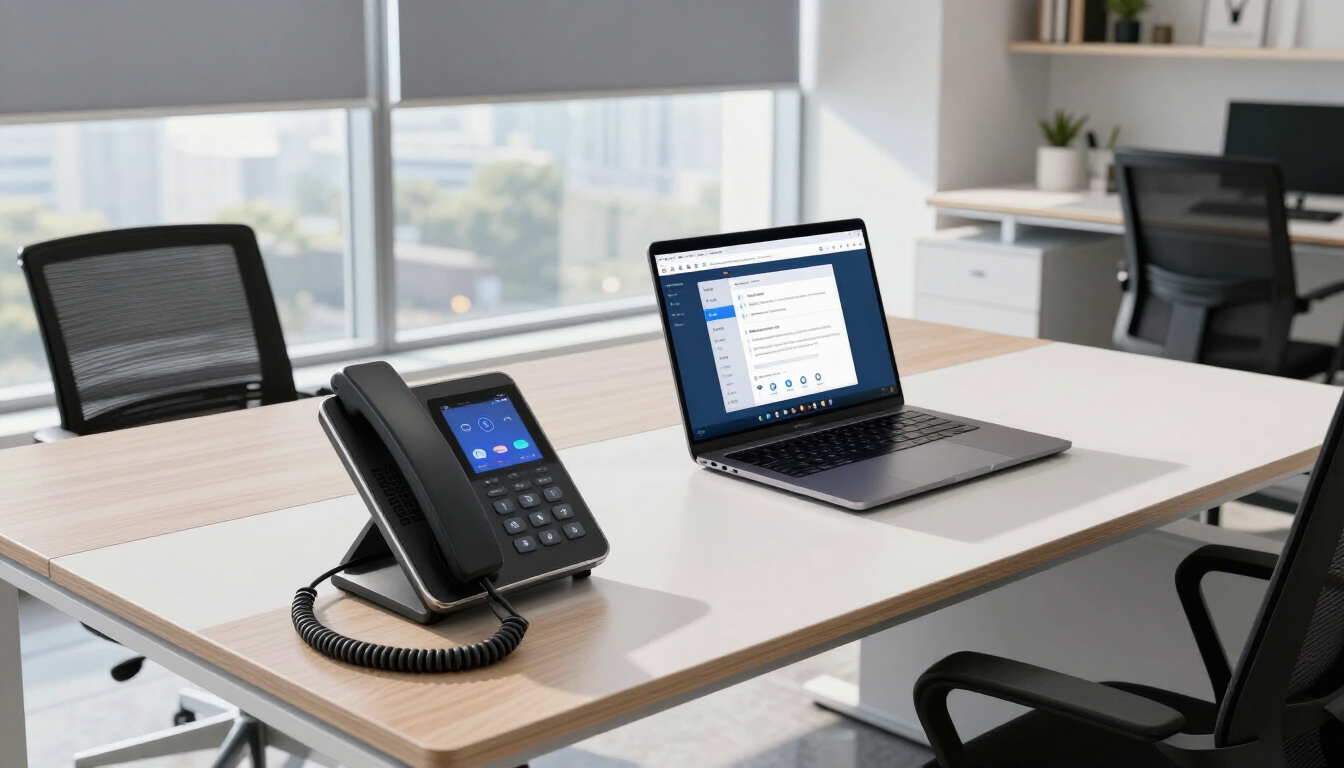

PABX and SIP Trunk: How to Modernize Your Office in 2026
A PABX and SIP Trunk work together to connect your internal office phone system to the public telephone network over the internet. While the PABX manages internal call routing and features, SIP Trunking replaces traditional copper wires with virtual connections, offering Malaysian businesses significant cost savings, improved scalability, and modern digital reliability.
What is the relationship between PABX and SIP Trunk?
To understand how modern business communication works, one must first distinguish between the internal brain of the office and the external gateway to the world. The PABX (Private Automatic Branch Exchange) acts as the central hub for your organization’s internal telephony. It handles call transfers, voicemail, and extensions. However, for those extensions to call an external number—like a customer’s mobile or another office—the PABX needs a connection to the Public Switched Telephone Network (PSTN).
In the past, this connection was provided by physical ISDN or PSTN lines. Today, SIP Trunking has become the industry standard for this external link. Using Session Initiation Protocol (SIP), the "trunk" is a virtual version of an analog phone line. It uses your existing internet connection to carry voice, video, and messaging data. When combined, a PABX and SIP Trunk create a unified communication environment that is far more flexible than older hardware-dependent systems.
Key components of the integration:
- The IP PBX or Legacy PABX with a gateway.
- A stable enterprise-grade internet connection.
- A SIP Trunking provider to manage external traffic.
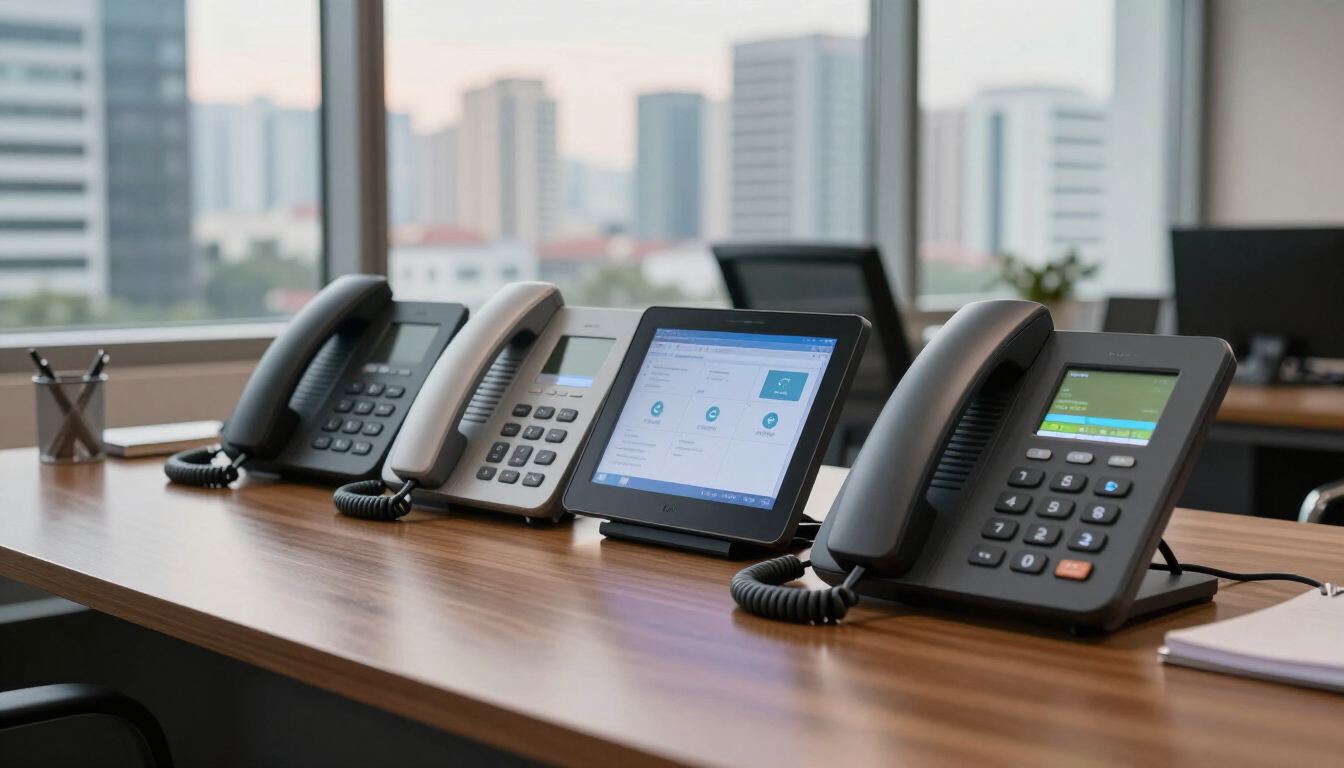
- VoIP-enabled handsets or softphone applications.
- Session Border Controllers (SBC) for security.
How does a SIP Trunk replace traditional phone lines?
Traditional telephony relied on physical copper wires (PSTN) or digital circuits (ISDN) provided by local telecommunications companies. These required on-site physical termination points and were often limited by the number of physical pairs installed in the building. If you needed more lines, you had to wait for a technician to install more hardware.
SIP Trunking removes these physical limitations. Because it operates over the internet, a single fiber connection can support hundreds of simultaneous calls. It replaces the "trunk" of physical wires with a virtual data stream. For businesses in Malaysia, this transition is particularly beneficial as traditional ISDN services are being phased out globally in favor of more efficient IP-based solutions. By switching to SIP Trunk Malaysia services, companies can maintain their existing numbers while gaining the ability to scale their capacity instantly through a software configuration rather than a site visit.
Key Features of Modern SIP Trunking Solutions
Modern connectivity is about more than just making phone calls; it is about data efficiency and feature richness. When you move to a SIP-based architecture, you unlock several advanced capabilities that traditional lines simply cannot provide. These features are designed to enhance business continuity and operational flexibility.
- Dynamic Channel Allocation: Add or remove lines instantly based on seasonal demand.
- Number Portability: Keep your established business numbers even if you move offices.
- Disaster Recovery: Automatically reroute calls to mobile phones if the office internet fails.
- Global Reach: Acquire local numbers in different countries to establish a local presence.
- HD Voice Quality: Enjoy clearer audio through high-bandwidth codecs like G.722.
What are the benefits of combining SIP Trunking with an IP PBX?
When you integrate a high-performance SIP Trunk with a modern IP PBX Malaysia system, the synergy creates a powerhouse for productivity. The primary benefit is cost reduction . Since calls are routed over the internet, long-distance and international rates are significantly lower than traditional carrier charges. Furthermore, businesses eliminate the monthly rental fees associated with multiple physical PSTN lines.
Another major advantage is the consolidation of networks. Instead of maintaining separate cabling for phones and computers, an IP-based system runs everything over the local area network (LAN). This simplifies IT management and reduces the footprint of hardware in your server room. Additionally, Cloud PBX Malaysia options allow you to offload the entire PABX management to a service provider, ensuring that your communication system is always updated with the latest security patches and features without any manual intervention from your team.
Is SIP Trunking compatible with my current PABX system?
One of the biggest concerns for Malaysian business owners is whether they need to scrap their existing hardware to enjoy the benefits of modern telephony. The answer is often "no." Most legacy PABX systems can be "SIP-enabled" through the use of a VoIP Gateway. This device acts as a translator, converting the analog or digital signals from your old PABX into SIP packets that can travel over the internet.
However, if your system is more than a decade old, it may be more cost-effective in the long run to upgrade to a native IP PBX. Modern systems are designed to work natively with SIP Trunks, providing better security, easier configuration, and a wider range of integrated features like CRM linking and unified messaging. Before making the switch, it is essential to conduct a network audit to ensure your current bandwidth can support the expected call volume without compromising voice quality.
How do I choose between Cloud PBX and on-premise IP PBX in Malaysia?
Deciding on the right architecture depends on your specific business needs, IT resources, and budget. For many small to medium enterprises (SMEs), a Cloud PBX Malaysia solution is ideal. It requires zero upfront hardware investment, offers a predictable monthly subscription, and allows employees to work from anywhere using mobile apps or laptops. The service provider handles all maintenance, making it a "set it and forget it" solution.
On the other hand, larger enterprises or organizations with strict data sovereignty requirements might prefer an on-premise IP PBX Malaysia . This gives the internal IT team total control over the server environment and integration with local databases. While the initial capital expenditure (CAPEX) is higher, the long-term operational costs can be lower for companies with a very high number of users. Both options utilize SIP Trunking for external connectivity, so the choice primarily rests on how you want to manage the internal PBX software.
Cost-Saving Strategies for Business Communication
To maximize the ROI of your PABX and SIP Trunk investment, consider implementing these strategies. First, audit your current phone bills to identify unused lines that can be eliminated during the migration. Second, utilize the least-cost routing features of your PBX to ensure international calls are sent through the most economical SIP provider.
Practical steps for saving money:
- Consolidate multiple office locations under one SIP Trunk account.
- Implement "Bring Your Own Device" (BYOD) using softphone apps.
- Use video conferencing to reduce travel expenses for internal meetings.
- Monitor call analytics to optimize staffing levels in customer service.
- Switch from CAPEX-heavy hardware to OPEX-based cloud subscriptions.
The Future of Enterprise Connectivity in Malaysia
As we look toward 2026 and beyond, the landscape of business communication in Malaysia is shifting toward total integration. We are moving away from siloed voice services toward Unified Communications as a Service (UCaaS). In this future, your SIP Trunk doesn't just connect phone calls; it serves as the backbone for integrated video, team chat, file sharing, and AI-driven customer interactions.
Artificial Intelligence is already beginning to play a role in how PABX systems function. From automated transcriptions to AI receptionists that can handle basic inquiries, the data provided by SIP-based communication is the fuel for these innovations. Companies that adopt these technologies now will be better positioned to scale and compete in an increasingly digital global economy.
Summary of Key Takeaways
Modernizing your office communication by integrating PABX and SIP Trunking is a strategic move that balances cost-efficiency with future-ready features. By replacing outdated physical lines with virtual trunks, you gain the flexibility to scale your business while significantly reducing monthly overheads.
- PABX manages internal functions while SIP Trunking handles external internet-based connectivity.
- Transitioning to SIP Trunking eliminates expensive physical line rentals and long-distance charges.
- Most legacy systems can be adapted for SIP, but modern IP PBX or Cloud PBX offer superior features.
- Choosing between cloud and on-premise depends on your need for control versus ease of management.
- The combination of these technologies supports remote work and advanced AI integrations.
Ready to upgrade your business communication? Contact Us today to learn more about our SIP Trunk Malaysia solutions or explore our range of Products to find the perfect fit for your company.