

TM MLS Migration: How to Switch to IP PABX in 2026
TM MLS migration is the transition from legacy copper-based telephony, such as PRI and PSTN, to modern fiber-based IP communication. To complete this migration, Malaysian businesses must implement an IP PABX or Cloud PBX system that supports Session Initiation Protocol (SIP) Trunks for digital voice transmission and connectivity.
What is the TM MLS Migration?
The TM Multi-Line SIP (MLS) migration represents a significant shift in Malaysia's telecommunications landscape. Managed by Telekom Malaysia (TM), this initiative involves moving business subscribers from aging Public Switched Telephone Network (PSTN) and Primary Rate Interface (PRI) lines to a more robust, fiber-optic infrastructure. As copper lines become increasingly difficult to maintain and reach their end-of-life cycle, TM is driving the adoption of SIP-based services to ensure that office communication remains reliable and future-proof.
For most businesses, the MLS migration is not just a technical update; it is a fundamental change in how voice data travels. Instead of traditional physical circuits, your voice calls are converted into data packets and transmitted over the internet or a dedicated fiber link. This transition allows for higher call quality, better scalability, and the integration of multimedia communication tools that were previously impossible with legacy systems. By moving to SIP Trunk Malaysia , companies can consolidate their voice and data services onto a single fiber connection, simplifying their infrastructure and reducing monthly overheads.
Why is TM Phasing Out PRI and PSTN?
The phasing out of PRI and PSTN lines is driven by the global trend toward digital transformation and the inherent limitations of analog technology. Traditional copper-wire systems are susceptible to environmental interference, require high maintenance costs, and offer limited bandwidth for modern business needs. Furthermore, the hardware required to maintain these legacy switches is becoming scarce as manufacturers shift their focus entirely to IP-based technologies.
In Malaysia, the push for the JENDELA initiative and the widespread deployment of fiber optics have made legacy systems redundant. By migrating to MLS, TM can provide a more resilient network that supports high-definition voice and unified communications. For the end-user, this means fewer service disruptions caused by physical line degradation and a faster path to restoring services in the event of an outage. Transitioning to a Cloud PBX Malaysia solution ensures that your business stays ahead of these mandatory infrastructure changes while gaining access to features like auto-attendants, mobile integration, and advanced call routing.
Strategic Benefits of Cloud PBX Systems
Adopting a Cloud PBX during your TM MLS migration offers a strategic advantage that goes beyond simple compliance. Unlike traditional hardware PABX systems that sit in a closet and require physical maintenance, a cloud-based system is hosted in a secure data center. This shift provides several key benefits for Malaysian SMEs and enterprises alike:
- Unmatched Scalability : Easily add or remove extensions as your business grows without needing to install new physical lines or cards.
- Remote Work Enablement : Employees can take their office extension anywhere via mobile apps or softphones, fostering a flexible work environment.
- Reduced Capital Expenditure : Eliminate the need for expensive on-site server hardware and high upfront installation costs.
- Disaster Recovery : Since the PBX is in the cloud, your phone system remains active even if your physical office experiences a power outage or local internet issue.
- Automatic Updates : Benefit from the latest security patches and feature updates without manual intervention or additional fees.
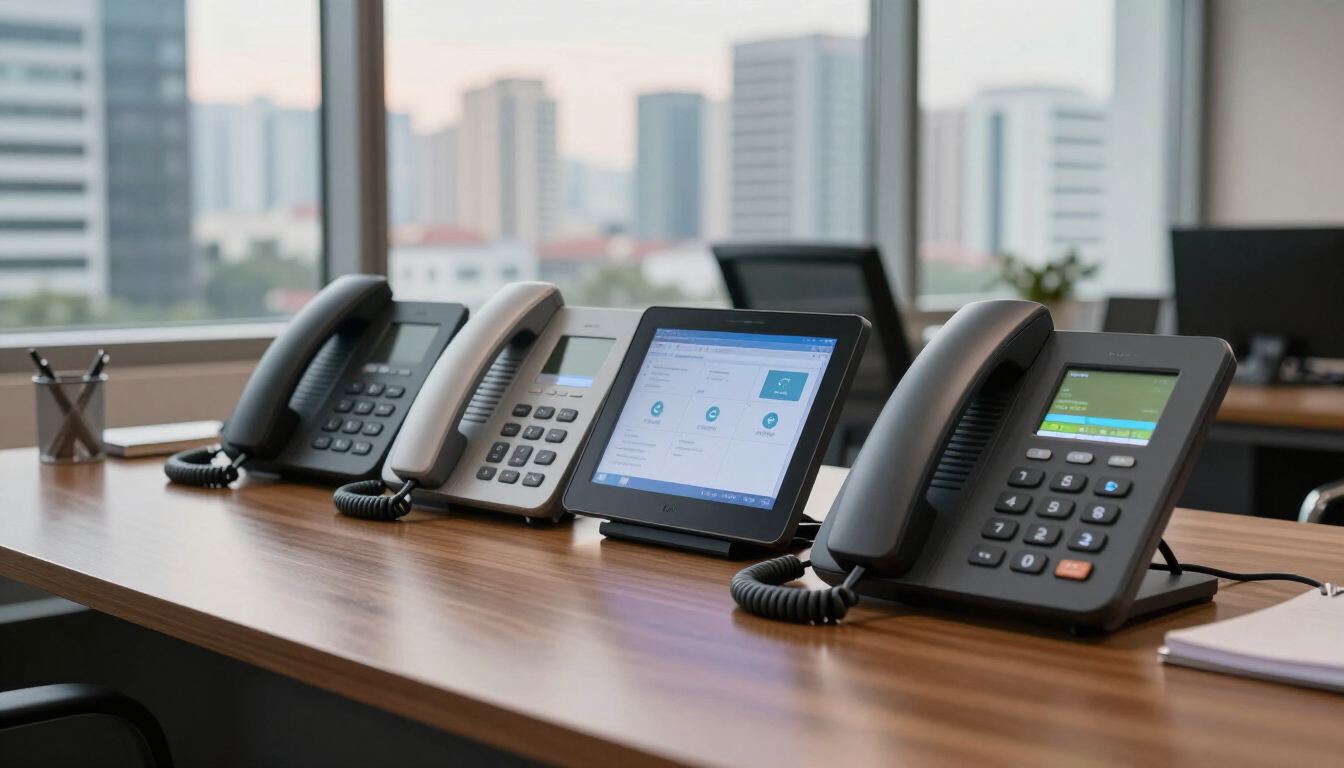
For businesses that prefer to keep their hardware on-site for security or legacy reasons, an IP PBX Malaysia solution provides a middle ground, offering IP capabilities while maintaining local control over the server environment. Both options are fully compatible with the TM MLS migration requirements.
How Does IP PABX Differ from Legacy Systems?
The primary difference between an IP PABX and a legacy PABX lies in the transport medium. A legacy system uses physical copper pairs (PSTN) or T1/E1 circuits (PRI) to connect to the telecommunications provider. In contrast, an IP PABX uses the Internet Protocol (IP) to carry voice traffic. This means that internal communication between desk phones and external communication to the world happen over the local area network (LAN) and the wide area network (WAN).
Technically, an IP PABX functions as a gateway that translates voice into data packets. This allows for significantly more efficient use of bandwidth. While a PRI line is fixed at 30 channels, an IP-based system can support hundreds of concurrent calls depending on the available bandwidth of your fiber connection. Additionally, IP systems allow for easier integration with Customer Relationship Management (CRM) software, enabling features like screen-pops when a customer calls, which was difficult and expensive to implement on older PSTN systems.
Technical Requirements for SIP Trunking
To successfully migrate to TM MLS, your office must meet specific technical benchmarks. The move to SIP trunking requires a stable and high-quality internet connection to ensure that voice packets are not lost or delayed, which would result in poor call quality or dropped connections. Below are the core requirements for a successful setup:
- Fiber Connectivity : A high-speed fiber broadband connection (like Unifi or Maxis Business Fiber) is essential to handle the data load.
- IP-Ready PABX : Your existing PABX must either support SIP natively or be equipped with a VoIP gateway to convert analog signals to IP.
- Quality of Service (QoS) : Your office router and switches must be configured to prioritize voice traffic over standard data traffic (like large file downloads).
- Security Measures : A SIP-aware firewall is necessary to protect your phone system from external threats while allowing legitimate voice traffic to pass through.
- Static IP Address : While not always mandatory, a static IP address is highly recommended to maintain a stable connection between your PBX and the TM SIP server.
Ensuring these elements are in place before the migration date will prevent downtime and ensure a smooth transition for your staff and customers. If you are unsure about your current infrastructure readiness, it is best to Contact Us for a comprehensive site audit.
5 Steps to a Seamless MLS Migration
Navigating the migration process requires careful planning to avoid communication blackouts. Following a structured roadmap will help your IT team manage the transition effectively:
- Audit Current Usage : Analyze how many concurrent calls your business actually makes to determine the number of SIP channels required.
- Evaluate Hardware Compatibility : Determine if your current PABX can be upgraded with a SIP card or if a full migration to a Cloud PBX is more cost-effective.
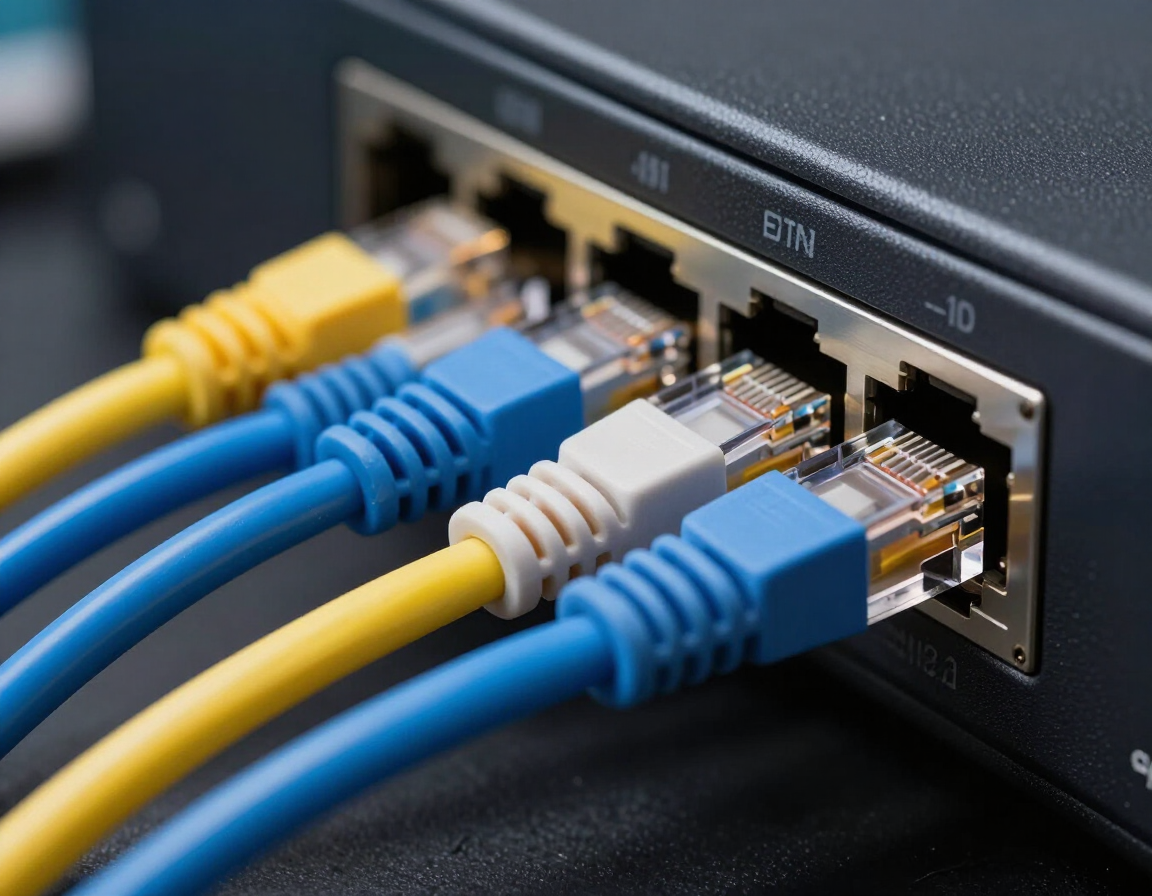
- Prepare the Local Network : Upgrade routers and cabling if necessary to support Power over Ethernet (PoE) for IP desk phones.
- Coordinate with TM : Submit the necessary migration forms to TM and schedule a window for the cutover from PRI/PSTN to SIP.
- Testing and Training : Before the final switch, conduct thorough testing of inbound and outbound calls and train employees on any new phone features.
By treating the migration as a strategic project rather than a simple line swap, businesses can leverage the new technology to improve overall operational efficiency.
What Happens if You Don't Migrate?
Ignoring the TM MLS migration is not a viable long-term strategy for any professional organization in Malaysia. As the infrastructure ages, the risk of catastrophic failure increases. If your PRI or PSTN line fails after TM has issued a migration notice, the time to repair may be significantly longer because the parts and expertise required for copper-line maintenance are being phased out. In some cases, TM may simply cease support for legacy services in specific zones, leaving your business without any phone connectivity.
Beyond the risk of downtime, staying on legacy systems puts your company at a competitive disadvantage. You will likely continue to pay higher monthly rentals for fewer features and lower call quality. Missing out on the integration capabilities of IP PBX Malaysia systems means your team will lack the modern tools—like video conferencing and unified messaging—that are standard in today's digital economy. The migration is an opportunity to modernize, not just a forced technical requirement.
Summary Takeaways
The TM MLS migration is a mandatory but beneficial shift for Malaysian businesses, moving from legacy copper lines to fiber-based SIP communications. To successfully navigate this change, companies must transition to IP-enabled systems that offer better quality, lower costs, and increased flexibility. Whether you choose an on-premise IP PABX or a fully hosted Cloud PBX, the result is a more resilient communication hub for your office.
- Act Early : Start your migration planning before TM officially sunsets legacy services in your area to avoid rushed deployments.
- Assess Needs : Use the migration as a time to right-size your channel count and extension requirements.
- Prioritize Quality : Ensure your network infrastructure is optimized for voice traffic with proper QoS settings.
- Consult Experts : Work with an experienced provider to manage the technical complexities of SIP trunk integration and firewall configuration.
For more information on upgrading your systems or to request a quote for migration services, visit our Products page or get in touch with our team today.