


Compare Office Phone Systems: PBX vs PABX vs Cloud
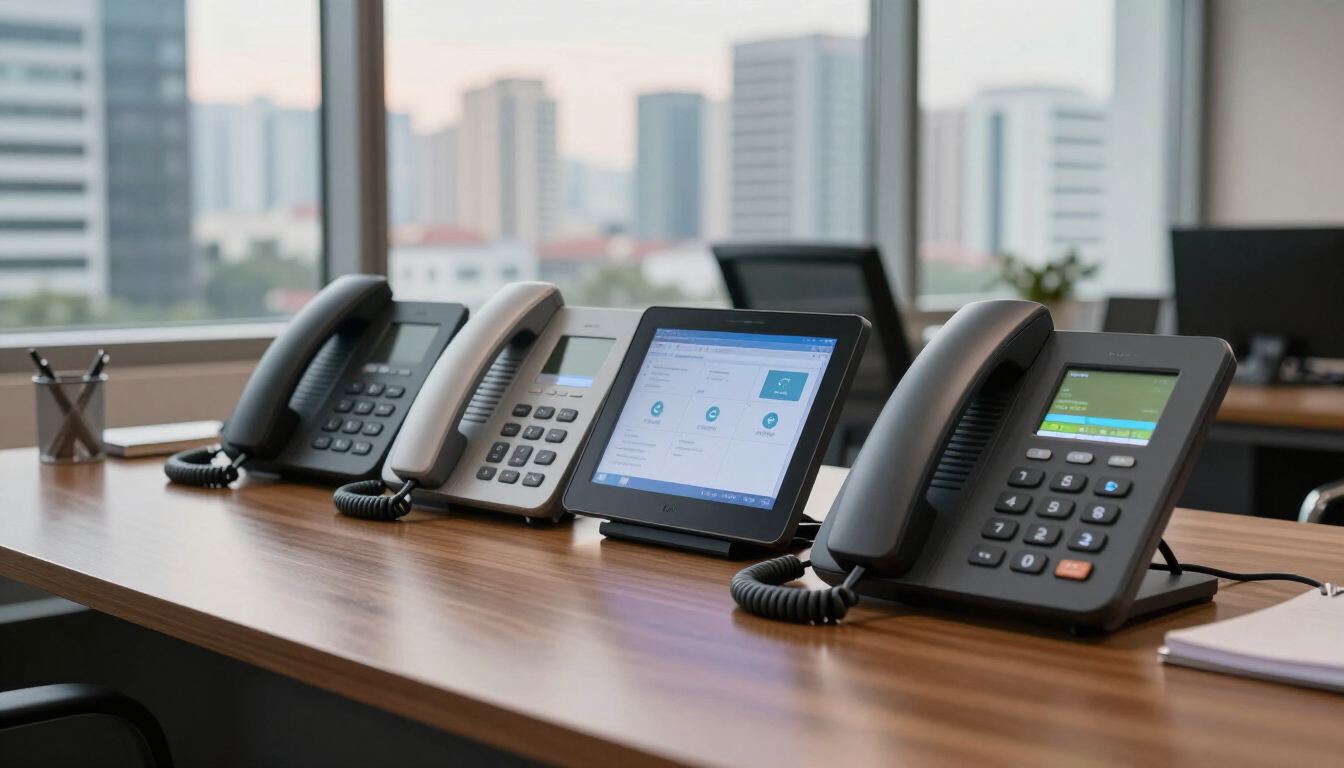
The primary difference between PBX, PABX, Keyphone, Intercom, and Cloud Phone systems lies in their architecture and connectivity. PBX and PABX are centralized private exchanges, Keyphones provide direct line control, Intercoms focus on internal messaging, while Cloud Phones utilize internet-based VoIP for superior scalability and remote flexibility.
What are the differences between PBX, PABX, and Keyphone systems?
Understanding the landscape of office communication requires a deep dive into how these systems evolved. Historically, a PBX (Private Branch Exchange) was a manual switchboard where operators physically connected calls. As technology advanced, these systems became automated, leading to the PABX (Private Automatic Branch Exchange). Today, the terms are often used interchangeably, though PABX specifically refers to the automated nature of modern internal switching.
Keyphone systems represent a different branch of communication. Unlike PBX systems, which use a central processor to route calls, a Keyphone system traditionally allows users to see and select specific outside lines directly from their handset using physical buttons or "keys." This makes them ideal for smaller businesses where staff need to know exactly which line is ringing and who is on hold without the complexity of a centralized switchboard. However, as digital technology merged, the lines between a hybrid IP PBX Malaysia and a high-end Keyphone system have blurred, offering the best of both worlds in terms of functionality and ease of use.
When comparing these traditional setups, consider these five core aspects:
- Switching Logic: PBX uses internal automated routing; Keyphones use direct line selection.
- Scalability: PBX systems are easier to scale for hundreds of users; Keyphones are limited by the number of physical keys.
- Feature Set: PBX offers advanced features like automated attendants and call queues.
- Wiring Requirements: Traditional Keyphones often required more complex multi-pair wiring.
- Management: PBX systems typically require a dedicated administrator for configuration changes.
The Evolution of PABX Architecture in Modern Business
The transition from analog to digital has completely redefined the PABX. In a modern Malaysian office, an IP PABX system converts voice signals into data packets, allowing them to travel over the existing computer network. This integration eliminates the need for separate telephone wiring, significantly reducing installation costs and complexity. By leveraging IP PBX Malaysia technology, businesses can integrate their telecommunications with other digital tools, such as CRM software and email, creating a unified communication environment.
One of the most significant shifts in this evolution is the move away from proprietary hardware. Older PABX systems locked businesses into specific manufacturers for handsets and cards. Modern systems are increasingly open-source or based on standard protocols like SIP (Session Initiation Protocol). This allows companies to mix and match hardware, ensuring they are not held hostage by a single vendor. Furthermore, the modern PABX acts as a gateway to the outside world, often connecting to a high-performance SIP Trunk Malaysia to facilitate external calls with much higher quality and lower costs than traditional ISDN or analog lines.
How does an Intercom system differ from an office phone?
It is common to confuse an Intercom system with an office phone system, but their primary purposes are distinct. An Intercom is designed for localized, point-to-point communication. Its main function is to allow quick voice messages, announcements, or door access control within a specific building or campus. While modern Products often include intercom-like features (such as "paging"), a dedicated Intercom system is usually simpler and focused on immediate, one-way or two-way audio without the routing and external dialing capabilities of a PBX.
In a professional setting, Intercoms are essential for security and facility management. They are used to grant access to visitors at a main entrance or to make emergency broadcasts across a warehouse. While a Cloud PBX Malaysia system can send a page to every desk phone in an office, it lacks the ruggedized hardware and specialized door-integration circuitry that a true Intercom system provides. Businesses often deploy both: a PBX for their daily communication needs and an Intercom for specialized security and internal broadcast functions.
Key differences include:
- Call Routing: Phones route calls to specific extensions; Intercoms broadcast to speakers.
- Hardware: Intercoms use wall-mounted stations; phones use desk or soft-client units.
- External Access: Intercoms rarely connect to the public phone network (PSTN).
- Purpose: Phones are for conversation; Intercoms are for commands or notifications.
- Integration: Modern phones integrate with software; Intercoms integrate with physical locks.
Key Benefits of Cloud Phone Systems for Remote Teams
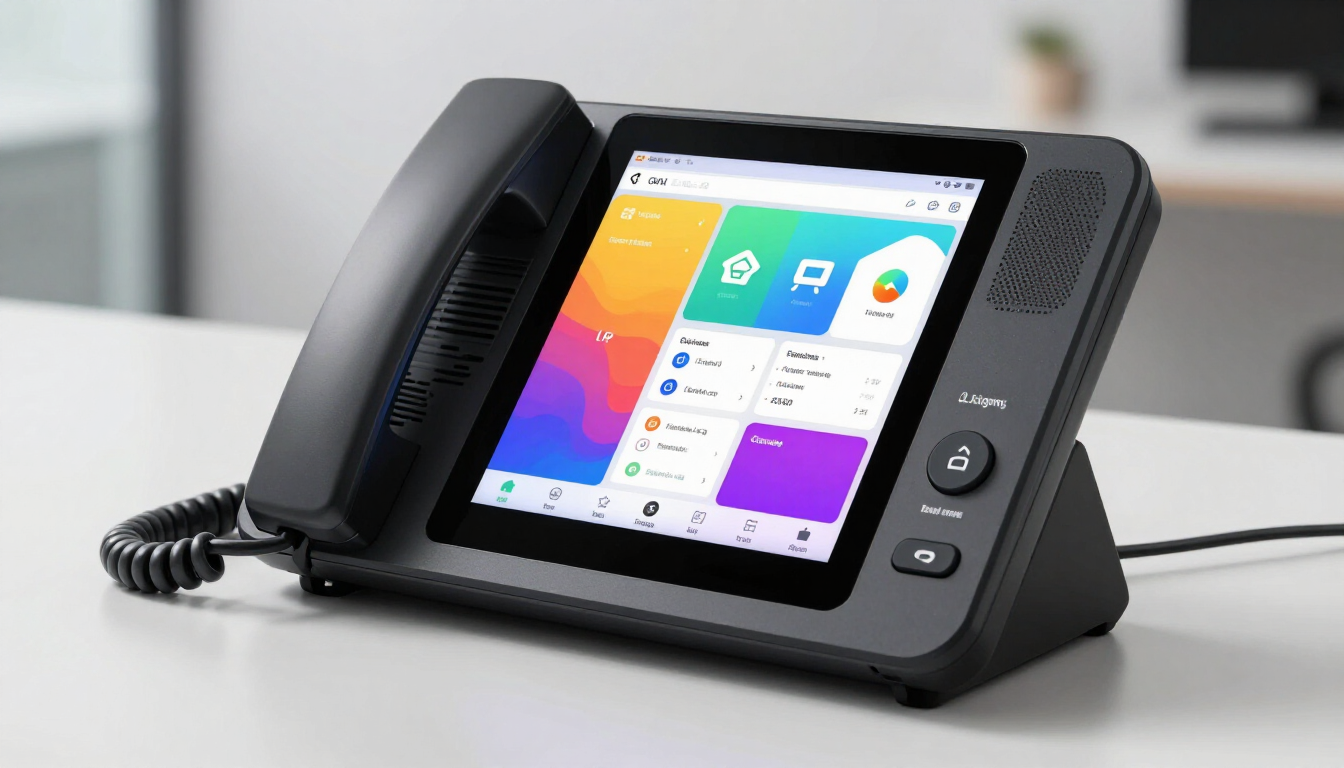
The most significant trend in Malaysia's corporate sector is the rapid adoption of Cloud Phone systems. Also known as Hosted PBX, these systems move the entire communication infrastructure to a secure data center. Instead of having a bulky PABX unit in your office closet, your phones connect via the internet to a virtual server managed by a service provider. This shift is particularly beneficial for the modern hybrid workforce, where employees may work from the office, their homes, or a coffee shop.
When a business chooses Cloud PBX Malaysia , they gain access to enterprise-level features without the enterprise-level price tag. Features like video conferencing, mobile app integration, and detailed call analytics become accessible to small and medium enterprises. Because the system is hosted in the cloud, updates are handled automatically by the provider, ensuring that the business always has access to the latest security patches and features without needing an on-site IT expert to manage the hardware. This level of agility is something that traditional Keyphone or on-premise PABX systems simply cannot match in the long term.
Furthermore, Cloud systems provide unmatched disaster recovery. If your physical office experiences a power outage or internet failure, your Cloud PBX remains operational. Calls can be automatically rerouted to mobile devices or other office locations, ensuring that your business never misses a critical client call. This reliability, combined with the ability to easily add or remove extensions as your team fluctuates, makes Cloud Phone systems the gold standard for growing businesses in Malaysia.
Which communication system is best for a Malaysia-based office?
Selecting the right system depends entirely on your business size, budget, and long-term operational goals. For a small retail shop or a clinic where only a few lines are needed and simple "who is on hold" visibility is critical, a modern Keyphone system might be sufficient. However, for most professional offices that require growth potential and advanced features, the choice typically narrows down to an on-premise IP PABX or a Cloud PBX. Organizations with significant existing infrastructure and high-security requirements often prefer IP PBX Malaysia solutions where they maintain total control over the hardware.
Conversely, startups and companies with distributed teams should almost always lean toward Cloud PBX Malaysia for its low upfront costs and flexibility. It is also essential to consider the underlying connectivity; any modern IP-based system will require a robust SIP Trunk Malaysia connection to ensure voice clarity and reliability. Evaluating your current internet bandwidth and the number of concurrent calls you expect to handle is the first step in making an informed decision. For many, a hybrid approach—combining on-premise reliability with cloud-based remote access—offers the most resilient solution.
Final Recommendations for Infrastructure Scalability
To ensure your office communication remains future-proof, you must prioritize scalability and integration. The technology you choose today should not only solve your current internal communication challenges but also adapt to the changing landscape of global business. Whether you are moving from an aging analog Keyphone system to a digital environment or looking to migrate your entire infrastructure to the cloud, the focus should remain on clear audio, reliable connectivity, and ease of use for your employees.
Summary of system choices:
- Cloud PBX: Best for startups, remote teams, and rapid scaling with minimal capital expenditure.
- IP PABX: Ideal for large enterprises requiring local hardware control and high-volume internal traffic.
- Keyphone System: Suitable for small offices needing simple, direct visibility of active phone lines.
- Intercom System: A necessary specialized tool for security, access control, and internal announcements.
- SIP Trunking: The essential connectivity layer for any modern IP-based voice system in Malaysia.
Choosing the right partner is just as important as choosing the right technology. At our core, we provide the expertise to help you navigate these choices, ensuring your business stays connected to its customers and its team members. If you are ready to upgrade your communication infrastructure or need a consultation on the best Products for your specific needs, please do not hesitate to Contact Us today. Our team is ready to design a solution that grows with your business and provides the reliability you demand in 2026 and beyond.