

What is a PABX System? (A 2026 Business Guide)
A PABX (Private Automatic Branch Exchange) system is a private telephone network used within a company to manage internal and external calls. It automates call routing between extensions and allows multiple users to share a limited number of external phone lines, significantly reducing communication costs for modern businesses.
What is a PABX system and how does it work?
To understand the PABX system , you first have to look at how businesses handled calls in the past. In the early days of telephony, every single desk phone needed its own direct connection to the public telephone network. This was incredibly expensive and physically cumbersome. The PABX solved this by acting as a central hub. Instead of 50 lines for 50 people, a company could have 5 lines shared by 50 extensions.
The "Automatic" in PABX is what makes it modern. Unlike the old manual PBX systems where an operator had to physically plug cables into a switchboard to connect callers, a PABX uses electronic switching. When you dial an internal extension, the system recognizes the request and connects the two internal lines instantly. For external calls, the system automatically finds an available trunk line to route the call to the outside world.
Today, these systems have evolved far beyond simple call switching. A modern PABX functions as a comprehensive communication server. It handles voice, but it also manages data, integrates with computer systems, and supports advanced features like video conferencing and instant messaging. For businesses in Malaysia looking to stay competitive, understanding these mechanics is the first step toward modernizing phone systems .
Evolution from manual to automatic switching
The journey of the business phone system is a fascinating tale of technological leaps. Initially, we had the PBX (Private Branch Exchange). These were manual. If you’ve seen old movies with operators wearing headsets and pulling cords, that was a PBX. As technology moved into the mid-20th century, automation became the goal, leading to the birth of the PABX.
The transition from manual to automatic didn't just save time; it improved privacy and reliability. Business owners no longer had to worry about an operator potentially listening in or making a mistake in the connection. By the late 1990s, the introduction of internet protocols changed the game again, moving us from traditional copper wires to data packets. This led to the highly efficient IP PBX Malaysia systems we see today, which utilize the power of the internet to provide clearer, cheaper, and more flexible communication.
What are the different types of PABX systems?
Not all PABX systems are created equal. Depending on your business size, budget, and technical requirements, you might choose one of the following variations:
- Traditional Analog PABX: Uses standard copper phone lines and is mostly hardware-dependent.
- Digital PABX: Offers better sound quality than analog and supports more features like digital displays on handsets.
- IP PBX: Uses Internet Protocol to transmit voice data, allowing for massive cost savings on long-distance calls.
- Cloud/Hosted PBX: The system is hosted by a provider, requiring no on-site hardware other than phones.
- Hybrid PABX: A mix of traditional and IP technology, allowing businesses to transition slowly.
For many startups and SMEs in the region, Cloud PBX Malaysia has become the gold standard. It eliminates the need for expensive server maintenance and allows employees to take their business extensions with them on their mobile devices. This flexibility is essential in a post-pandemic work environment where hybrid and remote work are common.
Key components of a modern phone network
While the software does the heavy lifting, a PABX system is comprised of several physical and virtual components that work in harmony. Understanding these can help you troubleshoot issues or plan upgrades with your provider. At its core, the system includes:
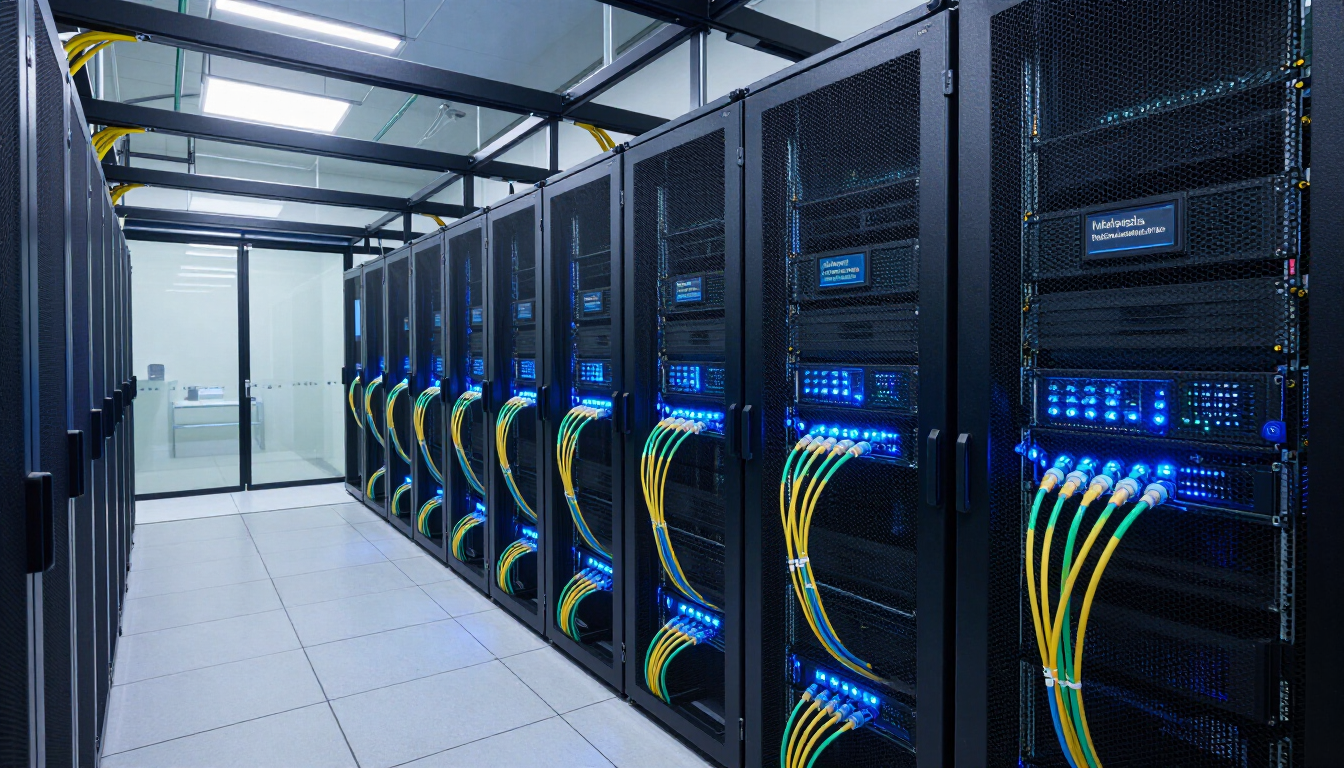
- The Central Switchboard Unit: The "brain" of the system that routes the calls.
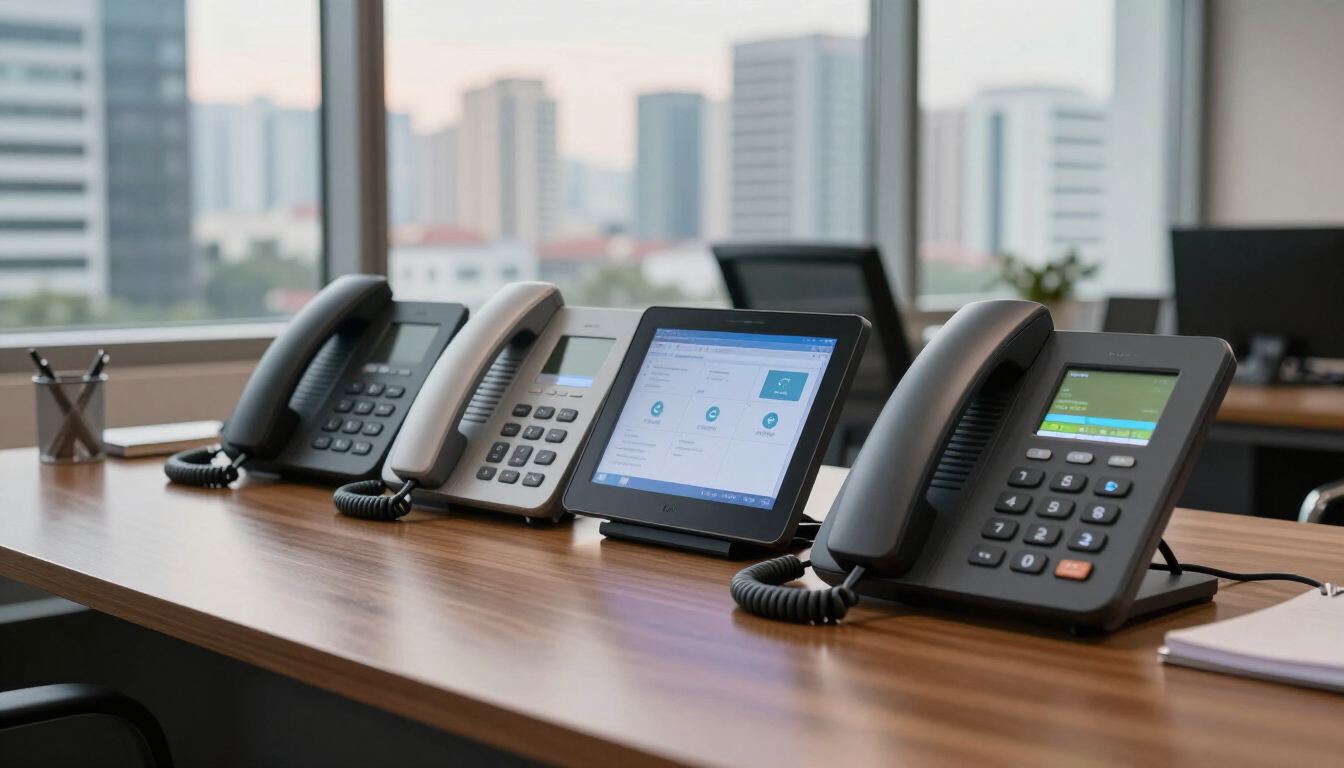
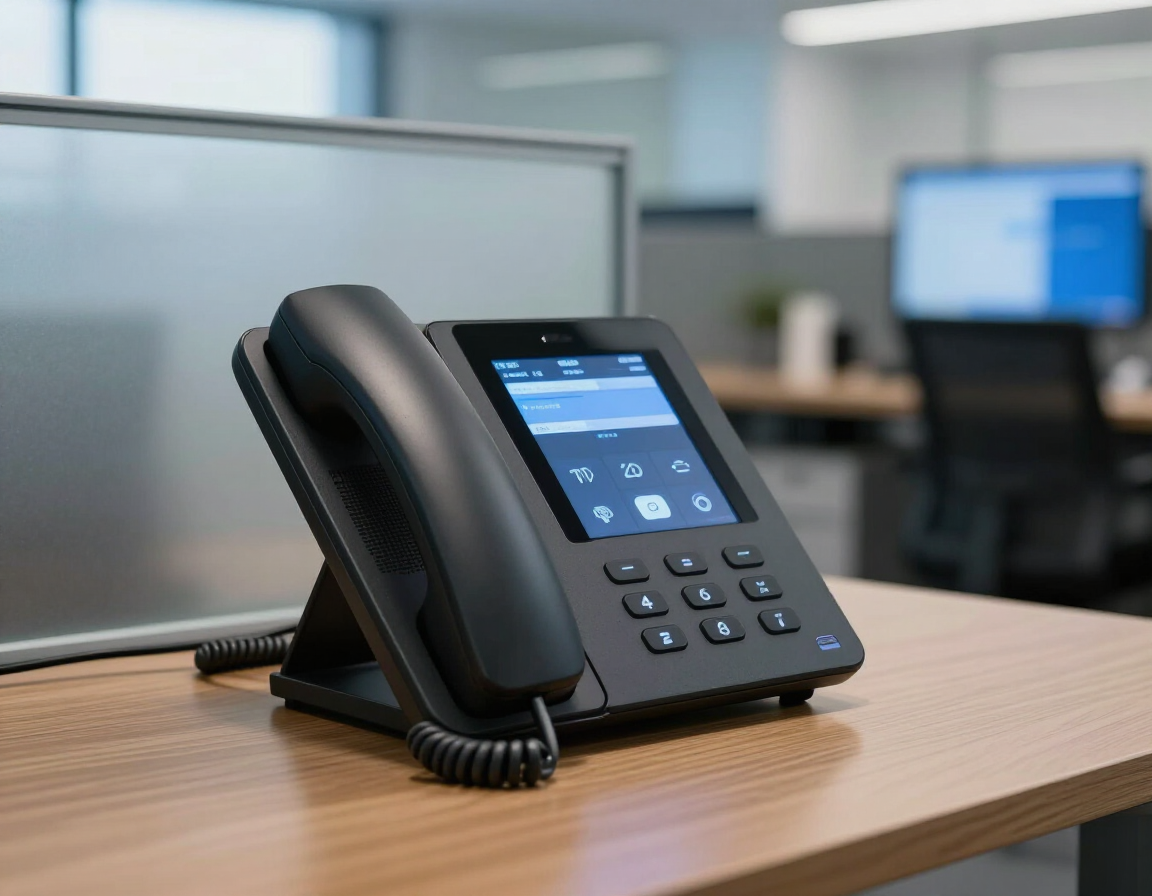
- Telephone Handsets: The user interface, which can be traditional desk phones or "softphones" on a computer.
- Trunk Lines: The connection between the PABX and the public telephone network (PSTN).
- SIP Trunks: For IP-based systems, these provide the virtual connection to the internet for calling.
- Internal Extensions: The individual numbers assigned to departments or employees.
For businesses using modern internet-based systems, a SIP Trunk Malaysia service is often the most critical component. It replaces traditional physical lines with a virtual connection, allowing you to scale your number of lines up or down instantly without waiting for a technician to visit your office and install new wiring.
Why is IP PBX Malaysia's preferred choice?
In Malaysia, the push toward digital transformation has made IP-based systems the top choice for businesses of all sizes. The primary driver is cost. Traditional phone lines in Malaysia can be expensive to maintain, especially when dealing with international clients or branch offices in different states. By switching to an IP-based PABX system , companies can leverage their existing internet infrastructure to carry voice traffic.
Beyond cost, scalability is a major factor. If you hire ten new employees tomorrow, a traditional system might require new hardware cards or physical wiring. With an IP-based system, you simply add new licenses and plug in the phones. This agility is what allows Malaysian SMEs to compete on a global scale, providing professional customer service without the overhead of a massive corporate infrastructure.
PABX vs. PBX: What is the real difference?
Technically, the distinction between PBX and PABX has faded over time. In the modern era, almost every PBX is automatic. However, the terms are often used interchangeably in the industry. If you are shopping for a system, keep these nuances in mind:
- Historical Difference: PBX was manual; PABX is automatic.
- Modern Usage: Most people say "PBX" now even when they mean an automatic system.
- Technical Context: PABX specifically highlights the automation aspect of the exchange.
- Industry Standards: Most RFP (Request for Proposal) documents use PABX as the formal term.
- Consumer Understanding: PBX is often associated with the older, box-on-the-wall hardware.
Regardless of the label, the goal remains the same: efficient internal and external communication. If you are unsure which term applies to your needs, it’s best to contact us for a consultation to clarify your specific requirements.
Core benefits of implementing a PABX system
Implementing a robust communication system offers more than just the ability to make phone calls. It transforms how your business interacts with the world. Here are the most significant benefits:
- Cost Reduction: Sharing a few external lines among many users significantly lowers monthly bills.
- Advanced Features: Access to IVR (Auto-attendants), call recording, and voicemail-to-email services.
- Improved Professionalism: Callers are greeted by a professional menu rather than a busy signal.
- Enhanced Collaboration: Internal calls between departments are free and usually require only a three or four-digit extension.
- Remote Connectivity: Modern systems allow staff to stay connected to the office phone system from anywhere in the world.
When you integrate these benefits, you see a marked improvement in both employee productivity and customer satisfaction. A customer who reaches the right department on the first try is far more likely to remain loyal to your brand.
How to select the right provider for your office?
Choosing a provider for your PABX system in Malaysia requires careful evaluation. You aren't just buying hardware; you are choosing a partner for your business continuity. Look for providers that offer comprehensive support and a proven track record. Consider factors like their uptime SLAs (Service Level Agreements), the ease of their user interface, and whether they offer local technical support.
It is also wise to look for providers that offer a clear migration path. You might start with a simple on-premise IP PBX but eventually want to move to the cloud. A good provider will facilitate this transition smoothly. Always ask about hidden costs such as licensing fees for new features or charges for technical support calls. Transparency is key to a long-term partnership.
Modernizing your business communication
In summary, a PABX system is the backbone of professional business communication. Whether you choose a traditional on-premise setup or a flexible cloud-based solution, the goal is to create a seamless connection between your team and your customers. By automating call routing and sharing resources, you can drastically reduce costs while increasing your operational efficiency.
Key Takeaways:
- PABX stands for Private Automatic Branch Exchange, automating call management.
- Cost Efficiency is achieved by sharing external lines and using IP technology.
- Cloud PBX is the most popular modern choice for its flexibility and low maintenance.
- SIP Trunking is the modern replacement for physical telephone lines.
- Scalability is much easier with IP-based systems compared to traditional analog ones.
If you are ready to upgrade your legacy hardware or set up a new office in Malaysia, evaluate your call volume and feature needs carefully. Modernizing your phone system is not just a technical upgrade; it's a strategic investment in your company's future growth and customer experience.