
5 SIP Trunk Call Savings Plan Strategies
A SIP Trunk Call Savings Plan replaces traditional phone lines with internet-based voice channels, helping high-volume businesses reduce per-call costs, scale capacity, and manage communications more efficiently. In Malaysia, it can connect your existing PBX or Cloud PBX to a reliable SIP provider while improving flexibility and visibility over call spending.
Why do high-call-volume businesses need a SIP Trunk Call Savings Plan?
Traditional phone systems often charge businesses for multiple fixed lines, installation, maintenance, and usage. These costs can become difficult to control when a company manages sales calls, customer support, appointment bookings, collections, or regional offices.
A SIP trunk uses an internet connection to carry voice calls. Instead of purchasing a separate physical line for every conversation, your business can use a flexible pool of channels. This allows more simultaneous calls without the same infrastructure expansion required by legacy telephony.
A well-designed plan can help you:
- Lower recurring line and call charges
- Support more concurrent calls during busy periods
- Add or remove channels as demand changes
- Connect offices, remote users, and call teams
- Monitor usage and identify avoidable expenses
The best results come from matching the number of SIP channels, calling destinations, and features to your actual business requirements.
What makes SIP Trunk call savings possible?
Lower infrastructure costs
SIP trunking reduces dependence on dedicated copper or traditional telephone circuits. Your provider delivers voice service through a business-grade internet connection, reducing the need for extensive physical line installation.
This does not mean every business should remove its existing system immediately. Many companies can connect SIP trunking to an existing IP PBX, preserving current handsets and workflows while gradually modernising their communications.
More efficient channel usage
Traditional lines can be underused because each line is assigned separately. SIP trunking pools capacity, so available channels can be used more efficiently across departments. A company may handle more calls with fewer unused resources.
Flexible scaling
A growing business may need additional channels during campaigns, seasonal peaks, or expansion. A SIP Trunk Call Savings Plan makes it easier to increase capacity without installing a new physical line for every requirement.
Better cost visibility
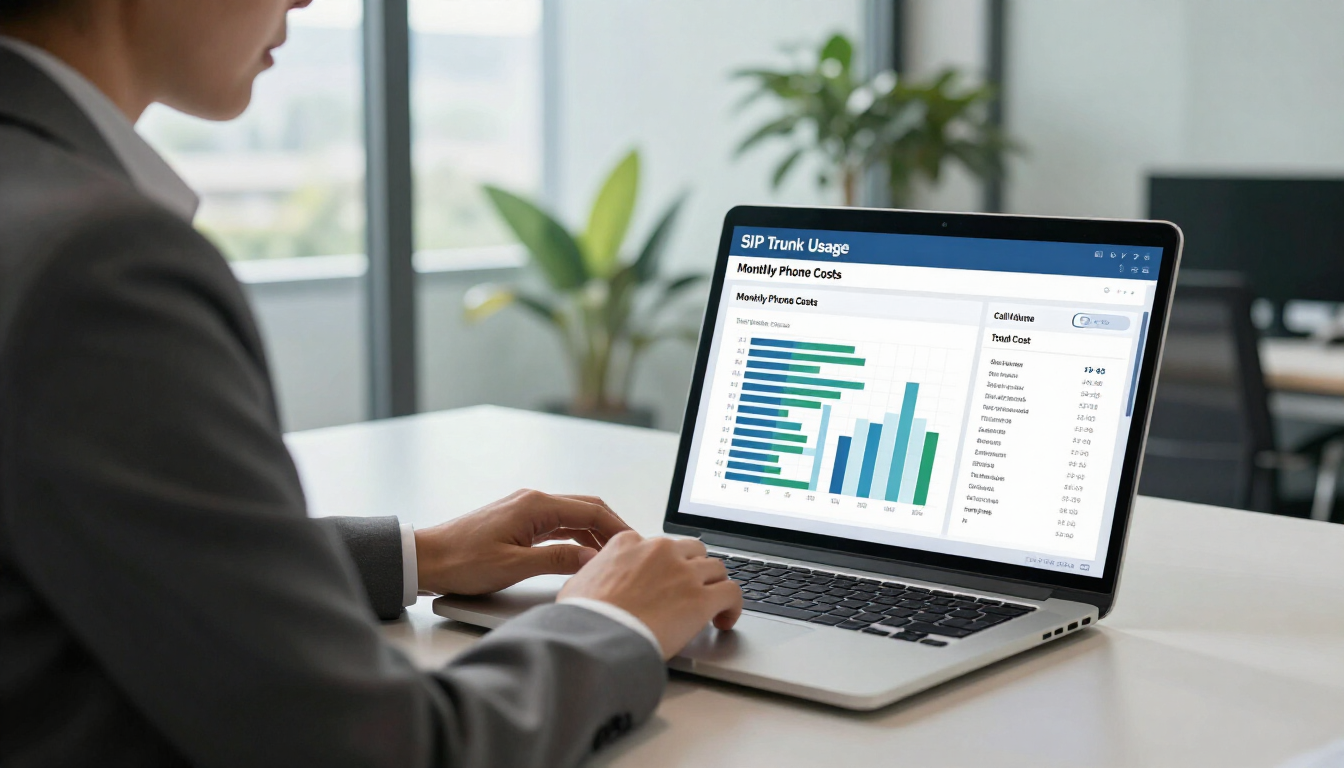
Digital telephony platforms can provide call records, usage reports, destination analysis, and billing information. These reports help managers understand where costs originate and whether current calling plans match operational needs.
For a broader overview of business voice options, visit our SIP Trunk Malaysia service page.
5 ways to reduce business phone costs with SIP trunking
1. Audit your current call profile
Begin with your recent phone bills and call records. Identify:
- Monthly call volume
- Peak calling periods
- Local, mobile, national, and international destinations
- Average call duration
- Number of simultaneous calls
- Existing line rental and maintenance fees
This information creates a practical baseline. Without it, a business may select too many channels, choose an unsuitable tariff, or overlook the calls responsible for most expenditure.
2. Choose channels based on concurrency
SIP channels determine how many calls can take place at the same time. Selecting channels based only on employee headcount can lead to overprovisioning. A smaller team with a busy contact centre may need more concurrent capacity than a larger team with occasional outbound calls.
Review your busiest periods and allow a reasonable buffer for growth. Your provider can help estimate requirements using call reports and expected traffic patterns.
3. Compare destinations and calling rates
A low monthly fee does not automatically mean the lowest total cost. Compare how the plan prices calls to mobile numbers, fixed lines, international destinations, and premium services.
Ask whether the provider offers bundled minutes, fair-use conditions, or different rates by destination. The right plan depends on your call mix rather than a headline price alone.
4. Combine SIP trunking with your PBX platform
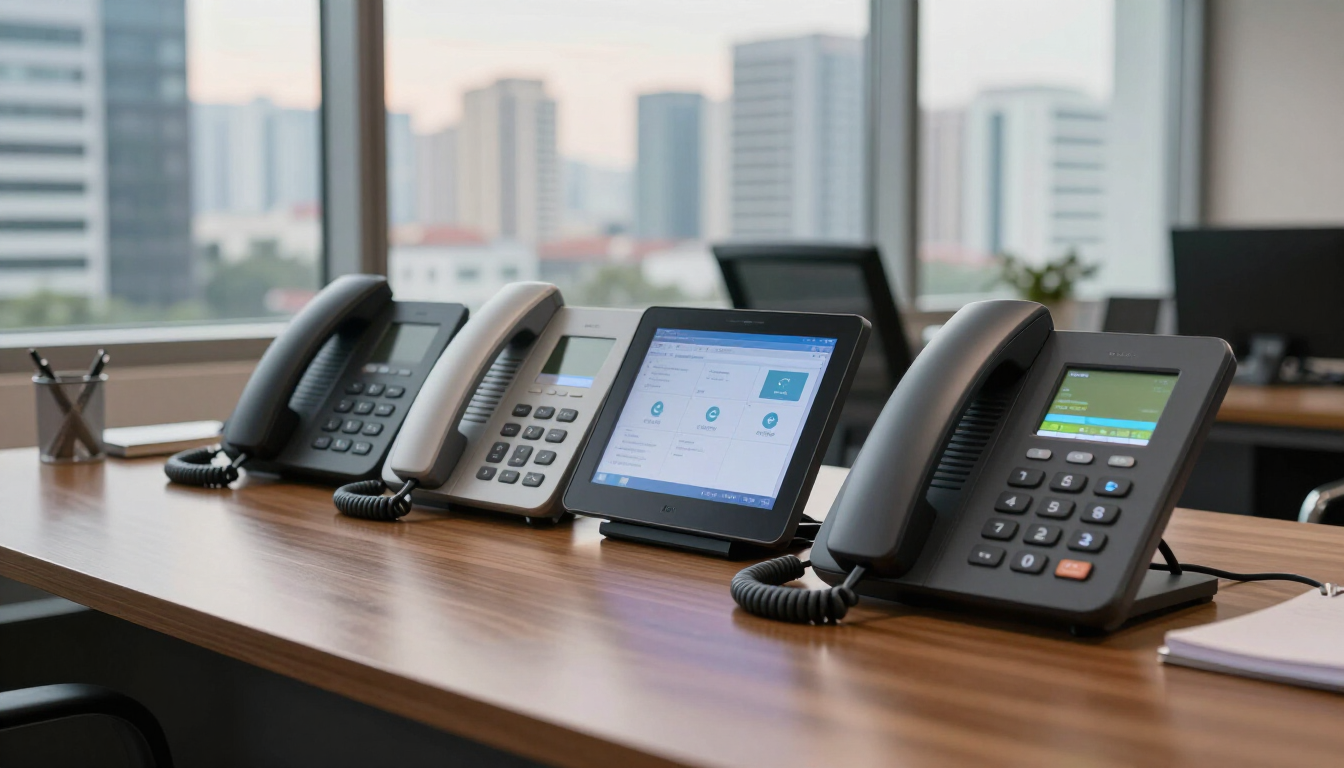
SIP trunking becomes more valuable when integrated with a capable phone system. An IP PBX or Cloud PBX can support auto-attendants, call queues, extensions, call recording, reporting, and customer routing.
Explore IP PBX Malaysia if your business wants more control over its phone infrastructure. If you prefer hosted management and reduced on-site hardware, review Cloud PBX Malaysia .
5. Monitor usage after deployment
Savings should be measured after implementation, not assumed. Compare your previous bills with new monthly costs, including connectivity, equipment, support, and any additional features.
Track failed calls, peak usage, international traffic, abandoned calls, and unused channels. Regular reviews can reveal where configuration changes or staff guidance may improve efficiency.
Is SIP trunking suitable for every business?
SIP trunking is often suitable for businesses that already use an IP-compatible phone system, handle regular call traffic, or need flexible capacity. It may be especially useful for customer service teams, property agencies, clinics, education providers, logistics companies, and multi-branch organisations.
It may require more planning when a business has unreliable internet connectivity, outdated PBX hardware, complex analogue equipment, or strict business continuity requirements. These challenges do not always rule out SIP trunking, but they should be assessed before migration.
A professional evaluation should consider:
- Internet bandwidth and stability
- Network quality and latency
- Firewall and security configuration
- Existing PBX compatibility
- Number porting requirements
- Backup connectivity and failover
The goal is not simply to replace a phone line. It is to build a dependable voice environment that supports daily operations.
What should you ask a SIP trunk provider?
Before choosing a provider, ask clear questions about pricing, reliability, support, and technical responsibilities. Important questions include:
- How are channels and concurrent calls priced?
- Are calls to Malaysian mobile and fixed numbers billed differently?
- Are international destinations included or charged separately?
- Can existing business numbers be ported?
- What uptime target and service-level commitment are provided?
- Is technical support available during business-critical incidents?
- Does the service support failover or alternate routing?
- Which PBX platforms and devices are compatible?
- Are call reports and itemised billing included?
- What security controls protect accounts from toll fraud?
A transparent provider should explain both recurring and one-time charges. Request a solution proposal based on your actual call pattern rather than accepting a generic package.
Security and reliability considerations
Cost savings should never compromise business continuity or call security. SIP accounts can be targeted by unauthorised users, particularly when passwords, extensions, or remote access are poorly protected.
Use strong credentials, restrict administrative access, apply suitable firewall rules, and review unusual calling activity. Your provider should also explain how it handles fraud alerts, traffic monitoring, backups, and incident response.
Voice quality depends on more than download speed. Latency, jitter, packet loss, network congestion, and Quality of Service configuration all affect conversations. A pre-deployment assessment and test call period can help identify problems before full migration.
Businesses with essential inbound calls should also plan for internet or power disruption. Options may include secondary connectivity, mobile failover, call forwarding, or disaster recovery routing.
How much can a SIP Trunk Call Savings Plan save?
There is no universal savings figure because the outcome depends on your current provider, call destinations, traffic volume, number of channels, equipment, and connectivity costs. The most reliable approach is to compare total cost of ownership before and after implementation.
Create a simple comparison including:
- Current line rental
- Current local, mobile, and international call charges
- PBX maintenance
- New SIP channel fees
- Internet and backup connectivity
- Hardware or configuration costs
- Support and optional features
Then calculate the expected monthly difference and the time required to recover migration costs. A lower bill is valuable, but so are easier scaling, improved reporting, and reduced administrative effort.
A practical implementation checklist
Use this checklist before approving a migration:
- Collect three to six months of call bills and usage data
- Confirm peak concurrent call requirements
- Test internet quality at each office location
- Check PBX, handset, and number-porting compatibility
- Request a complete written quotation
- Define failover, security, and support procedures
- Review results after the first billing cycles
Document the baseline before making changes. This makes it easier to validate savings and identify service improvements.
Final takeaway
A SIP Trunk Call Savings Plan can help a high-volume business reduce phone costs while gaining scalable capacity, clearer usage reporting, and stronger integration with IP PBX or Cloud PBX systems. The right solution depends on your call destinations, peak concurrency, network quality, existing equipment, and reliability requirements. Start by auditing current bills, compare total costs, and ask providers for a plan based on real usage. If you are ready to assess options for your Malaysia office, review the Products page or contact us for a tailored discussion.